Session sharing between players
Peer-to-peer sessions with one shared transport and clock. It already runs across machines on a local network; sharing whole sessions between bandmates, then across the internet, comes next.
Every mic and every camera is recorded against your audio interface's own sample clock, so the take you capture is the take you mix — with a full DAW, plugin host and video compositor inside.
Recorded straight from the app — no mockups.
Most workstations treat video as an afterthought and a live set as a problem. JAMNet Studio starts from the night itself — the songs, the cameras, the lights — and keeps a complete mixing environment underneath.
An open format for organizing the songs you play live or rehearse. Everything a song needs on the night lives together in one .jam folder.
JAMNet Studio ships its own processing and metering, built as standard CLAP plugins. Stack them with your own AU, CLAP and VST3 plugins in racks, and drive any parameter from a rack's macro knobs.
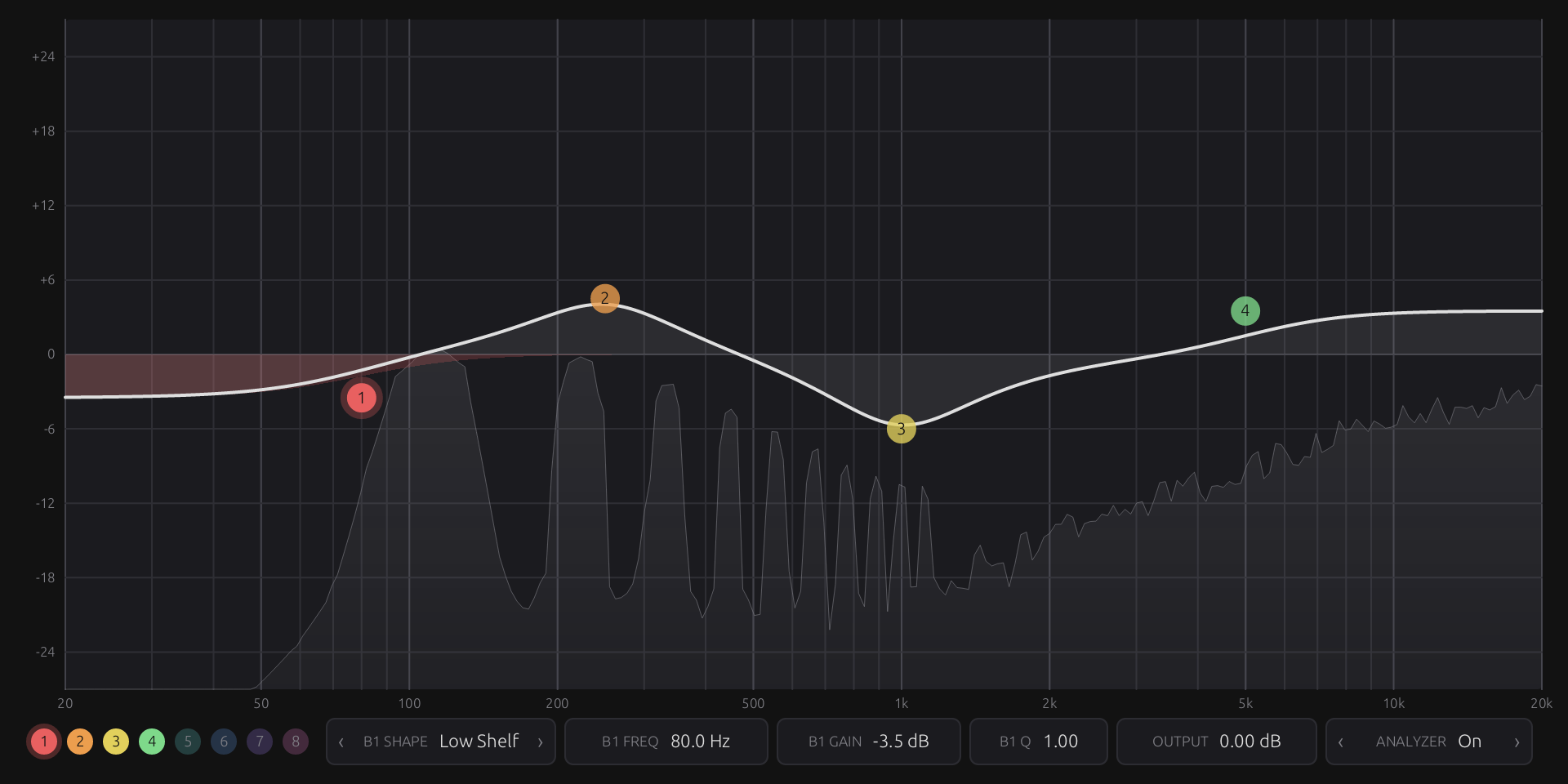
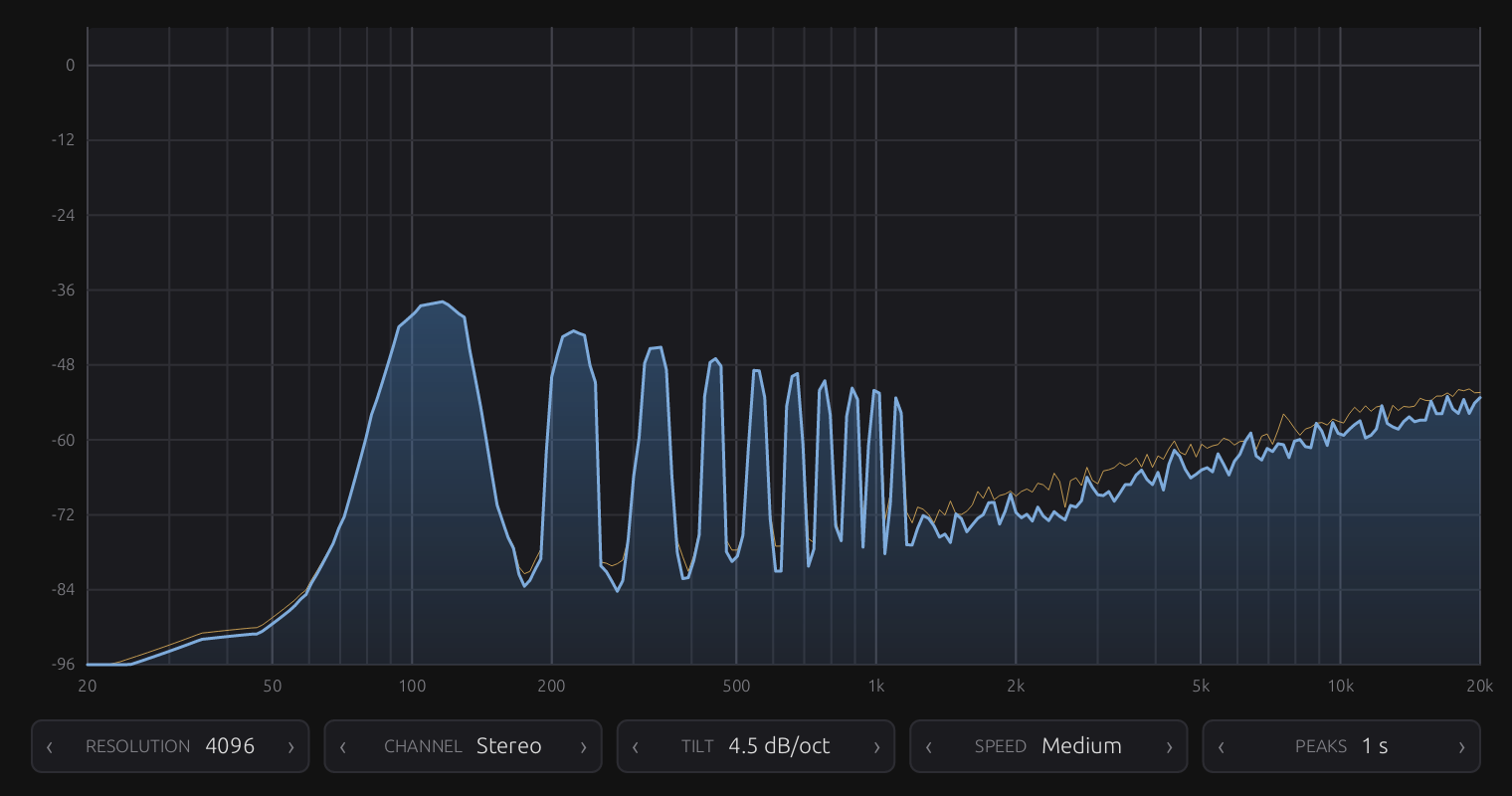
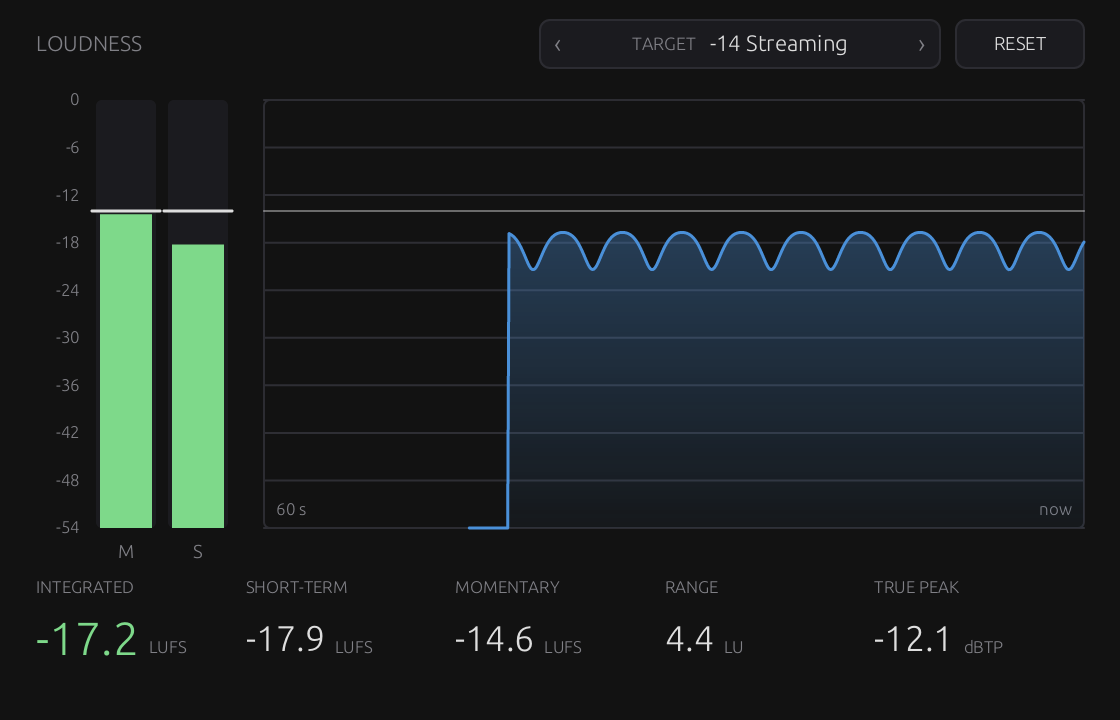
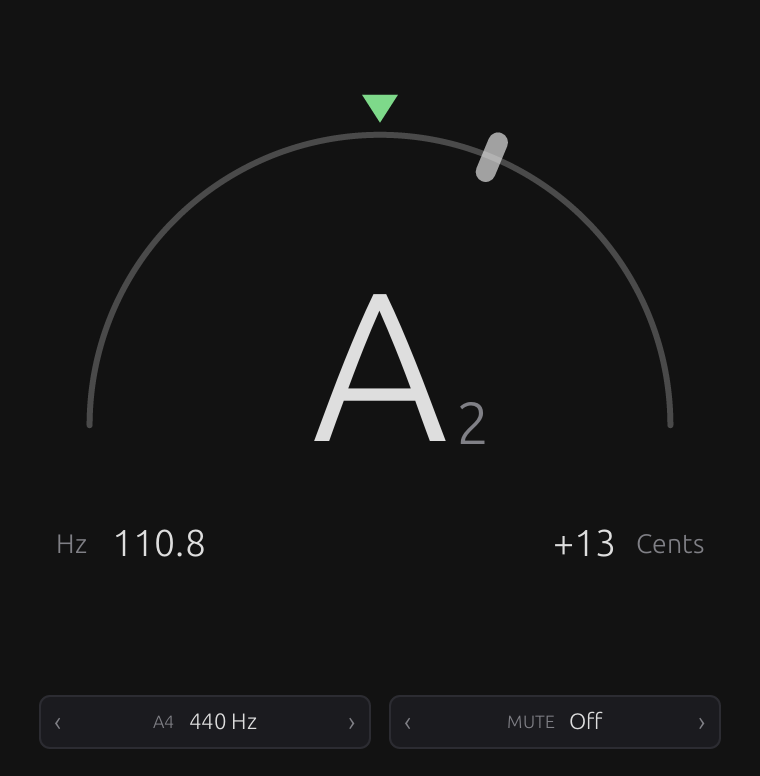
Images above are rendered by the plugins' own drawing code, fed a test signal.
Not shipped yet — listed so you know where this is going.
Peer-to-peer sessions with one shared transport and clock. It already runs across machines on a local network; sharing whole sessions between bandmates, then across the internet, comes next.
Takes backed up while the gear is still being packed.
The same engine on affordable Ubuntu Studio mini-PCs.
Move sessions between DAW formats with a list of exactly what carried over and what didn't.
Selected milestones.
Project renamed JAMNet Studio.
One Core Image compositor for preview, recording and export.
CLAP plugin hosting alongside Audio Units.
VST3 hosting — three plugin formats in one chain.
Shared transport and clock across machines on a local network.
First built-in plugins.
Stem separation and tempo detection moved fully on-device. DMX lighting output over USB.
Looper station, played from a foot controller.
First live stream to Twitch, straight from a session.
Amp capture and impulse-response capture.
Video frames stay on the GPU from camera to screen.
Loudness meter, spectrum analyzer, tuner and parametric EQ.
Nothing. Beta testers use the full app free.
Anything macOS sees as a Core Audio device, including class-compliant USB interfaces. Several devices can be combined into one input set.
No. Recording, stem separation, tempo detection and amp training all run on your own machine.
The engine goes where the operating system can keep a fixed 32-sample buffer on any class-compliant interface. On macOS and Linux that's a property of the OS; on Windows today it depends on which interface you bought. When Windows' new in-box audio stack ships and holds that contract, a Windows build is on the table.
Invites go out in small batches to people who will put JAMNet Studio in front of real shows: bands, engineers, and anyone filming live music. Tell us what you do and we'll match invites to what's ready.